


Summary
Inspector Zende Movie Review
Inspector Zende Movie Review


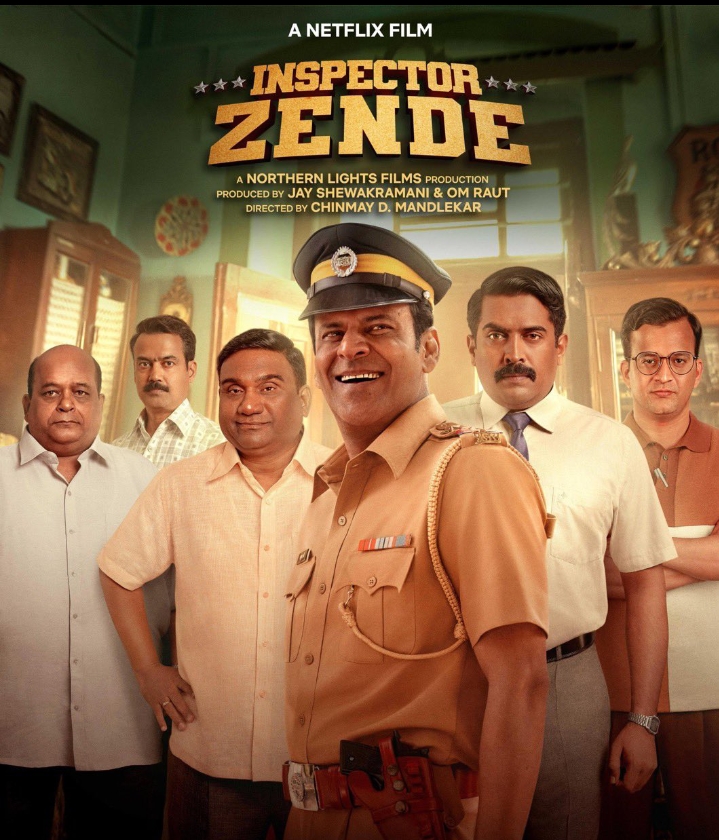
The night is restless. The city hides secrets. And then—Inspector Zende walks in. This is not just another police drama. Not another uniform-on-duty cliché. It’s a journey into the cracks of law, morality, and one man’s burden of truth. The makers knew what they were doing. They wanted intensity. They wanted grit. And they wanted you to leave the theater disturbed, maybe even shaken. The movie pens raw. No polished intro, no warm-up songs. Straight to the crime scene. Blood on the floor. A mother crying in the background. A city street still buzzing with fear. And among the chaos,Inspector Zende stands calm. Almost too calm. His silence tells more than a hundred lines of dialogue. That’s the first hook. And it works. The first half builds like a storm. You get glimpses of Inspector Zende’s methods. Rough, sharp, sometimes ruthless. He is not the friendly neighborhood cop. He doesn’t smile at kids. He doesn’t shake hands with politicians. He just observes. Cuts through lies. And makes you uneasy with his stare. But here’s the twist. Behind that coldness, there’s pain. The film slowly reveals scars. Not physical. Emotional. A family broken. A promise unkept. A past that claws at him every night. You realize Zende is not chasing criminals only. He is chasing ghosts of his own making. The storytelling style is restless. It doesn’t move in straight lines. Scenes jump. Tension builds. Flashbacks blend with present chaos. You sometimes feel lost. But that’s intentional. Because Inspector Zende himself is lost. That confusion becomes part of the viewing experience. Performance-wise—absolute fire. The lead actor disappears into I Zende’s skin. Every sigh. Every frown. Every pause before speaking. It feels real. Not cinematic, not fake. Supporting cast? Mixed bag. Some characters stay with you. The loyal constable who adds humanity. The victim’s family, whose grief pierces the heart. But yes, a few roles feel half-baked.




In the climax, everything collides. Zende’s past, his present case, and the villain’s game. The showdown is not fireworks. Not guns blazing. It’s slow. Painful. Personal. And that makes it powerful. Not claps, but silence. So, final word. Inspector Zende is not popcorn entertainment. It’s not your weekend masala. It’s heavy. It’s gritty. It’s made for those who love realism. Who want cinema that reflects pain, not hide it. Who want flawed heroes, not supermen.